• Link to Facebook
  • Link to Instagram
  • Link to Mail
  • Iridology
  • Your Health Coaching
  • Books
Jennifer Betesh
  • About
    • About Jennifer
  • Consultations
    • Iridology Assessments
      • Iridology – How To Take Your Iris Photos
    • Your Health Coaching
    • Personalized VIP Detox
    • Spa/Business Consulting
  • Your Symptoms
    • Fatigue/Foggy Brain
    • Skin Problems or Rashes
    • Digestive Problems
    • Food Allergies
    • Pain or Headaches
  • Testimonials
  • Stuff I like
    • My Favorite Juicer
    • My Favorite Things
    • Be a Health Coach
  • Blog
  • Store
  • Click to open the search input field Click to open the search input field Search
  • Menu Menu

Tag Archive for: protein

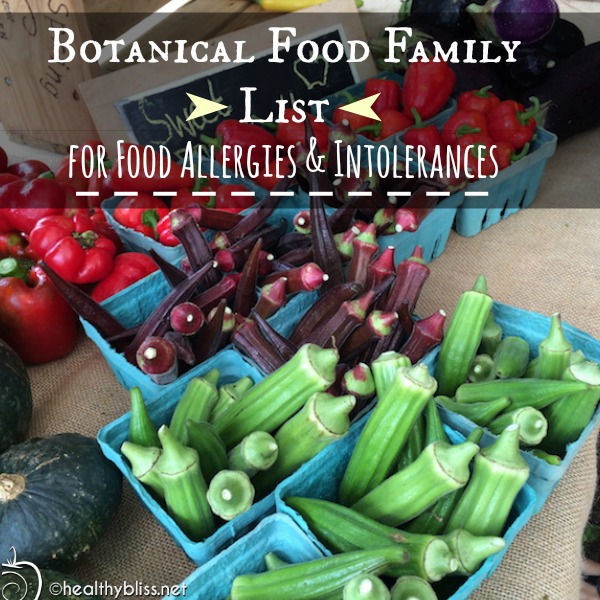
Knowing Botanical Food Families for Cross-Reactivity Allergies

by Jennifer Betesh

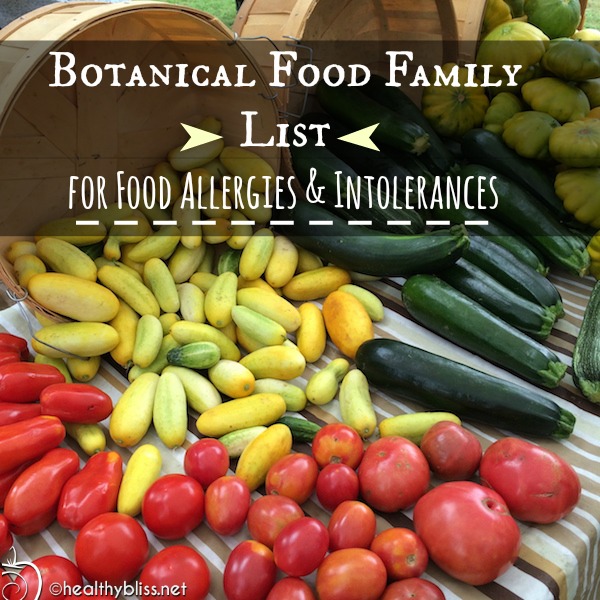
If you have any food sensitivities, intolerances or allergies, then it’s definitely important to check this Botanical Food Family list. When you have a sensitivity to one food, you may also have a “cross-reactivity” or sensitivity to other foods within the same botanical family. A cross-reactivity can occur when the proteins in one allergen food are like the proteins in another. Foods within the same botanical family often contain similar proteins. If you are sensitive to one particular food within a botanical family, you may also be sensitive to other foods within the same family of foods.

All information in this article is for educational purposes only. 
It is not for the diagnosis, treatment, prescription or cure of any disease or health condition. 

Check the Botanical Food Family List against your allergies

Testing for food allergies can also become tricky due to the occurrence of cross-reactivity. You may get a positive test for a food that has the same protein as another food, and it’s the other food that you are more sensitive or allergic too. For that reason, it’s always important to check the Botanical Food Family list for any sensitivity or allergy that you may think you have. Then, be on the lookout for other foods within the same botanical family. Note that tree nut allergies are especially prone to cross-reactivity sensitivities.

The 8 most common food allergies (also known as “the Big 8”) include:

  • Milk
  • Eggs
  • Fish
  • Crustacean shellfish
  • Tree nuts
  • Peanuts
  • Wheat
  • Soybean

Food Allergy

The “Big 8” account for about 90% of all food allergies in the United States. However, most people don’t have a true allergy to a food. A true food allergy occurs when the immune system makes a type of antibody (called IgE) to proteins in a particular food. The antibody is created because the body looks at that protein as an invader or a toxin and tried to eradicate it. This IgE reaction can be tested in a food allergy test. Usually with a food allergy, the reaction occurs very quickly and is severe. Often times there is a feeling of throat tightness. Anaphylaxis and loss of consciousness can also occur. If you have are having an allergic reaction, you should always seek medical attention immediately.

Food Intolerance

Most people do not have a true “IgE reaction” to a food. Rather, they fall within the grey area of food intolerance. A food intolerance can still make you feel miserable, and cause reactions such as skin rashes, itching, hives, urticaria, swelling of the skin, nausea, stomach cramps, headaches, insomnia, vomiting, diarrhea, breathing difficulty (wheezing, repeated throat clearing, cough) and even pain in the joints. But, you can’t get a positive IgE test result. The best way to identify a food intolerance is to eliminate that food, and then re-assess your symptoms. To learn more about the difference between a food allergy and a food intolerance, go here. In some cases, we need to develop a clear outline for an elimination diet where we eliminate foods in an ordered approach. In these cases, we also need to be on the lookout for any cross-reactivity within the same botanical family of foods.

Food Additive Intolerance

In addition to having food intolerances or allergies, I find that a lot of people are sensitive to certain additives in foods. This is something we always need to consider when anyone is having a chronic condition. Even 100% certified organic products can contain certain problematic food additives. The categories I work mostly with include flavor enhancers, colorings, preservatives and stabilizers/emulsifiers. This is an area that many nutritionists and health practitioners are not aware of, and many of my clients have gone through several healers with no avail before finding me. Their first comments are usually in the realm of, “Wow, I’m not crazy after all!” and “I wish I had found you sooner!” Food additives are often hidden under other terms. There are many legal loopholes that food companies use to “hide” the additives in “so-called healthy” foods.

Botanical Families of Foods

Use the list below as a reference for better understanding your food allergy or intolerance. Note that fish and shellfish are also included below, even though they’re not in a plant kingdom family. What’s most important is to get to know your body and how it’s reacting to certain proteins in foods. Long-term, working on improving your gut health will also help to lessen the chance of developing more allergies. The importance of digestive health and bacterial balance is not to be underestimated. In fact, a recent study from Australia just proved that 2/3 of peanut allergies were reversed after giving the patients specific probiotics (source: Murdoch Children’s Research Institute).

Check this list for Cross Reactivity!

Botanical Food Family List

Apple Family (Rose Family): Apple, Apple Cider, Apple Vinegar, Apple Pectin, Quince, Pear (The apple family is part of the bigger rose family)

Arrowroot: Arrowroot

Arum Family: Dasheen, Poi, Taro

Banana: Banana, Plantain

Birch: Filbert, Hazelnut

Brazil Nut: Brazil Nut

Buckwheat: Buckwheat, Garden Sorrel, Rhubarb

Cactus: Cactus, Prickly Pear, Tequila

Capers: Capers Cashew: Cashew, Mango, Pistachio

Cereals: Bamboo Shoots; Barley; Barley, Malt; Bran (wheat); Cane sugar; Cane Molasses; Chestnut, Water; Chestnut, Ling nut; Chestnut, Singhara nut; Corn ; Corn Meal ; Corn Starch ; Corn Oil ; Corn Sugar; Corn syrup; Corn dextrose; Corn glucose ; Corn cerelose; Farina (wheat); Graham flour (wheat) ; Gluten flour (wheat) ; Millet; Patent Flour (wheat); Oats; Rice; Rye; Sorghum; Wheat; Wheat flour; Wheat Germ; Wheat (whole) flour; Wild Rice.

Citrus: Angostura; Citrange; Citron; Grapefruit; Kumquat; Lemon; Lime; Orange; Tangerine

Cochliospermum Family: Karaya Gum, Guaiac Gum

Composite Family (Aster): Absinthe; Artichoke; Artichoke, Jerusalem; Calomel; Celtuse; Chicory; Dandelion; Endive; Escarole; Head Lettuce; Lettuce, Leaf ; Lettuce; Oyster Plant, Salsify; Sesame Seeds/ Oil; Sunflower/ Oil/ Seeds; Vermouth; Vermouth (Ragweed); Vermouth (Pyrethrum); Yarrow.

Crustaceans: Crab; Crayfish; Lobster; Prawns; Shrimp.

Cyperaceae Family (a Sedge): Chinese Waterchestnut

Curry Powder: not a single food but a blend of spices.

Ebony: Persimmon Flax – Linseed oil, flaxseed, flaxseed oil

Fresh Water Fish: Bass, Catfish, Croaker, Perch, Pike, Salmon, Smelt, Trout, Whitefish.

Fungus: Mushroom, Yeast/Antibiotics.

Ginger: Arrowroot, Cardamon, Ginger, Turmeric

Gooseberry: Currant, Gooseberry

Goosefoot (Beet): Beet, Sugar; Chard, Kochia, Lambs Quarters, Spinach, Thistle.

Gourd (Melon): Casaba; Cantaloupe; Cucumber; Honey Dew; Muskmelon; Persian Melon; Pumpkin; Squash; Vegetable Marrow; Water Melon. Grape: Brandy; Champagne; Crème of Tartar; Grape; Raisin; Wine; Wine Vinegar.

Heath: Cranberry, Blueberry, Huckleberry, Wintergreen.

Holly: Mate.

Honeysuckle: Elderberry.

Iris: Saffron. Laurel: Avocado, Bay Leaves, Camphor, Cinnamon, Laurel, Sassafras.

Legume: Acacia; Acacia Gum; Alfalfa; Arabic; Black-eyed pea; Carob; Carob (St. John’s Bread); Cassia; Chick Pea; Field Pea; Green Bean; Green Pea; Guar gum; Jack bean; Karaya Gum; Kidney bean; Lentil; Licorice; Lima bean; Locust Bean Gum; Mungo Bean; Navy Bean; Peanut; Peanut oil; Pinto Bean; Soybean; Soybean oil/flour/lecithin; Split Pea; String Bean; Talca Gum; Tamarind; Tonka bean; Tragancanth Gum; Urd Flour.

Lily: Asparagus, Chives, Garlic, Leek, Onion, Sparsparilla.

Litchi: Litchi Nut.

Mallow: Cottonseed meal, Cottonseed oil, Okra.

Maple: Maple syrup and maple sugar.

Miscellaneous: Honey (watch if you are allergic to bee venom).

Mint: Basil, Horehound, Marjoram, Mint, Oregano, Peppermint, Rosemary, Sage, Savoury, Spearmint, Thyme.

Mussels: Abalone, Clam, Mussel, Oyster, Scallop, Squid.

Morning Glory: Jicama, Sweet Potato, Yam.

Mulberry: Breadfruit, Fig, Hops, Mulberry.

Mustard: Broccoli, Brussel Sprouts, Cabbage, Cauliflower, Celery Cabbage, Chinese Cabbage, Collard, Colza Shoots, Kale, Kohlrabi, Kraut, Horse Radish, Mustard, Mustard Greens, Radish, Rutabaga, Turnips, Watercress.

Myrtle: Allspice, Cloves, Eucalyptus, Guava, Paprika, Pimento.

Nightshade: Brinjal, Cayenne, Capsicum, Eggplant, Ground Cherry, Banana Pepper, Bell Pepper, Chili Pepper, Green Pepper, Red Pepper, Sweet Pepper, Paprika, Pimento, Potato, Tabasco, Thorn Apple, Tobacco, Tomato.

Nutmeg: Mace, Nutmeg.

Olive: Olive, olive oil.

Orchid: Vanilla

Palm: Coconut, Date, Palm Cabbage, Sago.

Parsley: Angelica, Anise, Carrots, Celery, Celeriac, Caraway, Celery Seed, Coriander, Cumin, Dill, Fennel, Parsley, Parsnips, Sweet Cicily, Water Celery.

Pawpaw: Pawpaw, papaya, papain.

Pepper: Black pepper, white pepper.

Pine: Juniper, Pinion nut.

Pineapple: Pineapple.

Plum: Almond, Apricot, Cherry, Nectarine, Peach, Plum, Prune Plum.

Pomegranate: Pomegranate.

Poppy: Poppy seed.

Rose: Blackberry, Boysenberry, Dewberry, Loganberry, Strawberry, Youngberry. (see also Apple family).

Salt Water Fish: Bass, Cod, Flounder, Herring, Mackerel, Mullet, Salmon.

Spurge: Tapioca.

Stercula: Cocoa, Cola Bean, Chocolate (Cocoa).

Tea: Tea.

Walnut: Butternut, Hickory nut, Pecan, Black Walnut, English Walnut.

This list is from http://www.foodallergygourmet.com/


How to Book Your Health & Nutritional Coaching Session:

1. Take photos of your eyes with a digital camera.
2. Email the photos to me for approval.
3. We schedule a time to meet via phone or Skype!

More on Food Allergies:

  • What is an elimination diet?
  • Knowing Botanical Food Families for Cross-Reactivity Allergies
  • Is your Olive Oil fake or “cut” with inferior oils? Check this list!
  • Detox Reaction vs. Allergic Reaction or Intolerance – Which one is it?
  • The ‘New’ MSG – Is it even more deadly than MSG itself? Ribonucleotides & The Ribo Rash
  • Hidden Sources of MSG on Food Labels: Video Guide
  • Restaurant Cards for Celiac, Gluten-Free & MSG-Free
  • Why I don’t add Almond Milk, Soy Milk or Coconut Water to Green Smoothies
  • Detox Reaction vs. Allergic Reaction or Intolerance – Which one is it?
  • MSG hidden in Packaged Foods: Why I don’t buy 90% of the ‘food’ at WholeFoods
https://healthybliss.net/bliss/wp-content/uploads/2017/08/botanicalfood2.jpg 600 600 Jennifer Betesh https://healthybliss.net/bliss/wp-content/uploads/2014/11/hb_logo_01.png Jennifer Betesh2017-08-23 16:05:372018-06-29 07:55:27Knowing Botanical Food Families for Cross-Reactivity Allergies

Knowing Botanical Food Families for Cross-Reactivity Allergies

by Jennifer Betesh

If you have any food sensitivities, intolerances or allergies, then it’s definitely important to check this Botanical Food Family list. When you have a sensitivity to one food, you may also have a “cross-reactivity” or sensitivity to other foods within the same botanical family. A cross-reactivity can occur when the proteins in one allergen food are like the proteins in another. Foods within the same botanical family often contain similar proteins. If you are sensitive to one particular food within a botanical family, you may also be sensitive to other foods within the same family of foods.

All information in this article is for educational purposes only. 
It is not for the diagnosis, treatment, prescription or cure of any disease or health condition. 

Check the Botanical Food Family List against your allergies

Testing for food allergies can also become tricky due to the occurrence of cross-reactivity. You may get a positive test for a food that has the same protein as another food, and it’s the other food that you are more sensitive or allergic too. For that reason, it’s always important to check the Botanical Food Family list for any sensitivity or allergy that you may think you have. Then, be on the lookout for other foods within the same botanical family. Note that tree nut allergies are especially prone to cross-reactivity sensitivities.

The 8 most common food allergies (also known as “the Big 8”) include:

  • Milk
  • Eggs
  • Fish
  • Crustacean shellfish
  • Tree nuts
  • Peanuts
  • Wheat
  • Soybean

Food Allergy

The “Big 8” account for about 90% of all food allergies in the United States. However, most people don’t have a true allergy to a food. A true food allergy occurs when the immune system makes a type of antibody (called IgE) to proteins in a particular food. The antibody is created because the body looks at that protein as an invader or a toxin and tried to eradicate it. This IgE reaction can be tested in a food allergy test. Usually with a food allergy, the reaction occurs very quickly and is severe. Often times there is a feeling of throat tightness. Anaphylaxis and loss of consciousness can also occur. If you have are having an allergic reaction, you should always seek medical attention immediately.

Food Intolerance

Most people do not have a true “IgE reaction” to a food. Rather, they fall within the grey area of food intolerance. A food intolerance can still make you feel miserable, and cause reactions such as skin rashes, itching, hives, urticaria, swelling of the skin, nausea, stomach cramps, headaches, insomnia, vomiting, diarrhea, breathing difficulty (wheezing, repeated throat clearing, cough) and even pain in the joints. But, you can’t get a positive IgE test result. The best way to identify a food intolerance is to eliminate that food, and then re-assess your symptoms. To learn more about the difference between a food allergy and a food intolerance, go here. In some cases, we need to develop a clear outline for an elimination diet where we eliminate foods in an ordered approach. In these cases, we also need to be on the lookout for any cross-reactivity within the same botanical family of foods.

Food Additive Intolerance

In addition to having food intolerances or allergies, I find that a lot of people are sensitive to certain additives in foods. This is something we always need to consider when anyone is having a chronic condition. Even 100% certified organic products can contain certain problematic food additives. The categories I work mostly with include flavor enhancers, colorings, preservatives and stabilizers/emulsifiers. This is an area that many nutritionists and health practitioners are not aware of, and many of my clients have gone through several healers with no avail before finding me. Their first comments are usually in the realm of, “Wow, I’m not crazy after all!” and “I wish I had found you sooner!” Food additives are often hidden under other terms. There are many legal loopholes that food companies use to “hide” the additives in “so-called healthy” foods.

Botanical Families of Foods

Use the list below as a reference for better understanding your food allergy or intolerance. Note that fish and shellfish are also included below, even though they’re not in a plant kingdom family. What’s most important is to get to know your body and how it’s reacting to certain proteins in foods. Long-term, working on improving your gut health will also help to lessen the chance of developing more allergies. The importance of digestive health and bacterial balance is not to be underestimated. In fact, a recent study from Australia just proved that 2/3 of peanut allergies were reversed after giving the patients specific probiotics (source: Murdoch Children’s Research Institute).

Check this list for Cross Reactivity!

Botanical Food Family List

Apple Family (Rose Family): Apple, Apple Cider, Apple Vinegar, Apple Pectin, Quince, Pear (The apple family is part of the bigger rose family)

Arrowroot: Arrowroot

Arum Family: Dasheen, Poi, Taro

Banana: Banana, Plantain

Birch: Filbert, Hazelnut

Brazil Nut: Brazil Nut

Buckwheat: Buckwheat, Garden Sorrel, Rhubarb

Cactus: Cactus, Prickly Pear, Tequila

Capers: Capers Cashew: Cashew, Mango, Pistachio

Cereals: Bamboo Shoots; Barley; Barley, Malt; Bran (wheat); Cane sugar; Cane Molasses; Chestnut, Water; Chestnut, Ling nut; Chestnut, Singhara nut; Corn ; Corn Meal ; Corn Starch ; Corn Oil ; Corn Sugar; Corn syrup; Corn dextrose; Corn glucose ; Corn cerelose; Farina (wheat); Graham flour (wheat) ; Gluten flour (wheat) ; Millet; Patent Flour (wheat); Oats; Rice; Rye; Sorghum; Wheat; Wheat flour; Wheat Germ; Wheat (whole) flour; Wild Rice.

Citrus: Angostura; Citrange; Citron; Grapefruit; Kumquat; Lemon; Lime; Orange; Tangerine

Cochliospermum Family: Karaya Gum, Guaiac Gum

Composite Family (Aster): Absinthe; Artichoke; Artichoke, Jerusalem; Calomel; Celtuse; Chicory; Dandelion; Endive; Escarole; Head Lettuce; Lettuce, Leaf ; Lettuce; Oyster Plant, Salsify; Sesame Seeds/ Oil; Sunflower/ Oil/ Seeds; Vermouth; Vermouth (Ragweed); Vermouth (Pyrethrum); Yarrow.

Crustaceans: Crab; Crayfish; Lobster; Prawns; Shrimp.

Cyperaceae Family (a Sedge): Chinese Waterchestnut

Curry Powder: not a single food but a blend of spices.

Ebony: Persimmon Flax – Linseed oil, flaxseed, flaxseed oil

Fresh Water Fish: Bass, Catfish, Croaker, Perch, Pike, Salmon, Smelt, Trout, Whitefish.

Fungus: Mushroom, Yeast/Antibiotics.

Ginger: Arrowroot, Cardamon, Ginger, Turmeric

Gooseberry: Currant, Gooseberry

Goosefoot (Beet): Beet, Sugar; Chard, Kochia, Lambs Quarters, Spinach, Thistle.

Gourd (Melon): Casaba; Cantaloupe; Cucumber; Honey Dew; Muskmelon; Persian Melon; Pumpkin; Squash; Vegetable Marrow; Water Melon. Grape: Brandy; Champagne; Crème of Tartar; Grape; Raisin; Wine; Wine Vinegar.

Heath: Cranberry, Blueberry, Huckleberry, Wintergreen.

Holly: Mate.

Honeysuckle: Elderberry.

Iris: Saffron. Laurel: Avocado, Bay Leaves, Camphor, Cinnamon, Laurel, Sassafras.

Legume: Acacia; Acacia Gum; Alfalfa; Arabic; Black-eyed pea; Carob; Carob (St. John’s Bread); Cassia; Chick Pea; Field Pea; Green Bean; Green Pea; Guar gum; Jack bean; Karaya Gum; Kidney bean; Lentil; Licorice; Lima bean; Locust Bean Gum; Mungo Bean; Navy Bean; Peanut; Peanut oil; Pinto Bean; Soybean; Soybean oil/flour/lecithin; Split Pea; String Bean; Talca Gum; Tamarind; Tonka bean; Tragancanth Gum; Urd Flour.

Lily: Asparagus, Chives, Garlic, Leek, Onion, Sparsparilla.

Litchi: Litchi Nut.

Mallow: Cottonseed meal, Cottonseed oil, Okra.

Maple: Maple syrup and maple sugar.

Miscellaneous: Honey (watch if you are allergic to bee venom).

Mint: Basil, Horehound, Marjoram, Mint, Oregano, Peppermint, Rosemary, Sage, Savoury, Spearmint, Thyme.

Mussels: Abalone, Clam, Mussel, Oyster, Scallop, Squid.

Morning Glory: Jicama, Sweet Potato, Yam.

Mulberry: Breadfruit, Fig, Hops, Mulberry.

Mustard: Broccoli, Brussel Sprouts, Cabbage, Cauliflower, Celery Cabbage, Chinese Cabbage, Collard, Colza Shoots, Kale, Kohlrabi, Kraut, Horse Radish, Mustard, Mustard Greens, Radish, Rutabaga, Turnips, Watercress.

Myrtle: Allspice, Cloves, Eucalyptus, Guava, Paprika, Pimento.

Nightshade: Brinjal, Cayenne, Capsicum, Eggplant, Ground Cherry, Banana Pepper, Bell Pepper, Chili Pepper, Green Pepper, Red Pepper, Sweet Pepper, Paprika, Pimento, Potato, Tabasco, Thorn Apple, Tobacco, Tomato.

Nutmeg: Mace, Nutmeg.

Olive: Olive, olive oil.

Orchid: Vanilla

Palm: Coconut, Date, Palm Cabbage, Sago.

Parsley: Angelica, Anise, Carrots, Celery, Celeriac, Caraway, Celery Seed, Coriander, Cumin, Dill, Fennel, Parsley, Parsnips, Sweet Cicily, Water Celery.

Pawpaw: Pawpaw, papaya, papain.

Pepper: Black pepper, white pepper.

Pine: Juniper, Pinion nut.

Pineapple: Pineapple.

Plum: Almond, Apricot, Cherry, Nectarine, Peach, Plum, Prune Plum.

Pomegranate: Pomegranate.

Poppy: Poppy seed.

Rose: Blackberry, Boysenberry, Dewberry, Loganberry, Strawberry, Youngberry. (see also Apple family).

Salt Water Fish: Bass, Cod, Flounder, Herring, Mackerel, Mullet, Salmon.

Spurge: Tapioca.

Stercula: Cocoa, Cola Bean, Chocolate (Cocoa).

Tea: Tea.

Walnut: Butternut, Hickory nut, Pecan, Black Walnut, English Walnut.

This list is from http://www.foodallergygourmet.com/


How to Book Your Health & Nutritional Coaching Session:

1. Take photos of your eyes with a digital camera.
2. Email the photos to me for approval.
3. We schedule a time to meet via phone or Skype!

More on Food Allergies:

  • What is an elimination diet?
  • Knowing Botanical Food Families for Cross-Reactivity Allergies
  • Is your Olive Oil fake or “cut” with inferior oils? Check this list!
  • Detox Reaction vs. Allergic Reaction or Intolerance – Which one is it?
  • The ‘New’ MSG – Is it even more deadly than MSG itself? Ribonucleotides & The Ribo Rash
  • Detox Reaction vs. Allergic Reaction or Intolerance – Which one is it?
  • Raw Food Diet for Detox and Cleansing – Success!
  • Hidden Sources of MSG on Food Labels: Video Guide
  • What’s Wrong with Vegenaise
  • Sea Salt with Chemical Additives?! Check for E535 & E536 Yellow Prussiate of Soda (YPS)
https://healthybliss.net/bliss/wp-content/uploads/2017/08/botanicalfood2.jpg 600 600 Jennifer Betesh https://healthybliss.net/bliss/wp-content/uploads/2014/11/hb_logo_01.png Jennifer Betesh2017-08-23 16:05:372018-06-29 07:55:27Knowing Botanical Food Families for Cross-Reactivity Allergies

Recipe for Super Energy Seed Crackers…& without a Dehydrator!

by Jennifer Betesh

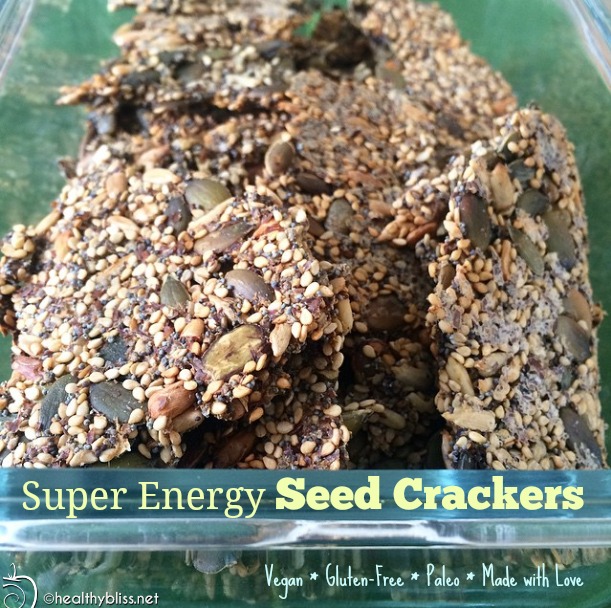
This is one of the easiest recipes you could ever make and the results are super-amazing-delicious! And, you can share these seed crackers with your vegan, vegetarian, gluten-free, yeast-free, dairy-free, sugar-free, anti-candida AND paleo friends. Now, that IS amazing!

Check out this fast and easy recipe - you'll be amazed!

Check out this fast and easy recipe – you’ll be amazed!

Super Energy Seed Crackers Recipe

Ingredients:

  • 1 cup organic pumpkin seeds, raw and unsalted
  • 1 cup organic sunflower seeds, raw and unsalted
  • 1/2 cup organic ground flaxseed
  • 1/2 cup organic whole flaxseed
  • 1/2 cup organic chia seeds
  • 1/2 cup organic sesame seeds, raw and unsalted
  • 1 Tbsp. organic poppy seeds
  • 1 organic medium size white onion
  • 1 tsp. Himalayan salt
  • 1 cup water
  • 2 sheets of baking parchment paper
  • Optional added spices: cayenne pepper, cumin or turmeric powder

Directions:

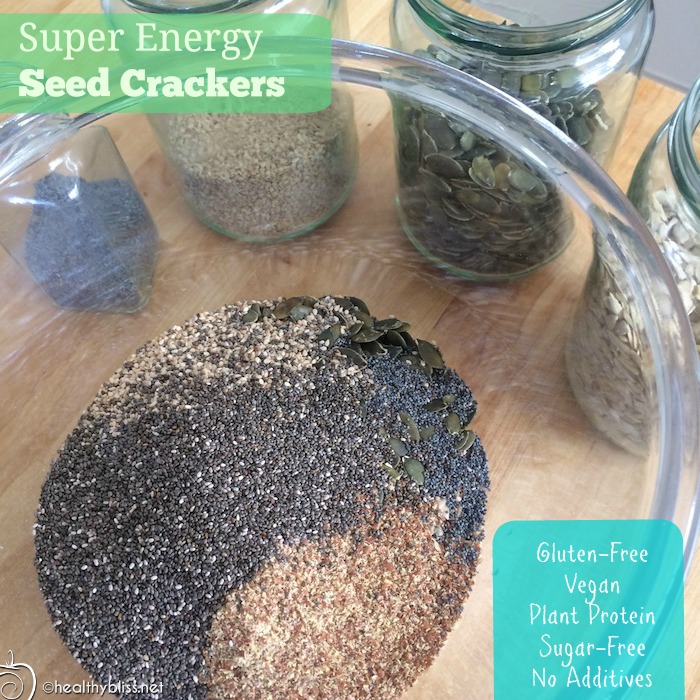
1. In a large bowl, combine all the dry seeds.

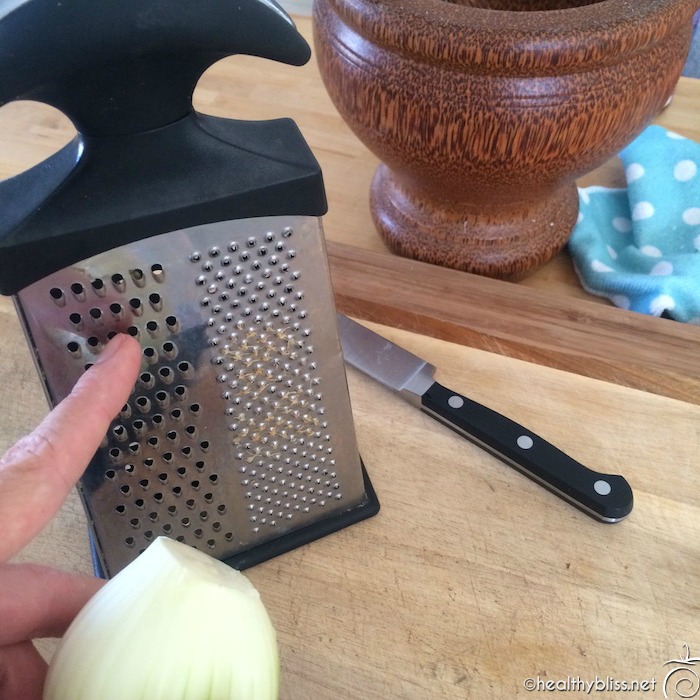
2. Peel the outer skin from the onion. Then, using a grater, grate the onion on the medium-size holes. Add to the mix.

3. Measure 1 cup of filtered water and add to the bowl. Stir all ingredients together, adding the salt and any additional spices (I make these without any dried spices because they are delish enough on their own!) You can also grate a few raw garlic gloves and add them is desired. Once stirred, the mix should be sticking together. If not, slowly add a few more tablespoons of water until the mixture stays together.

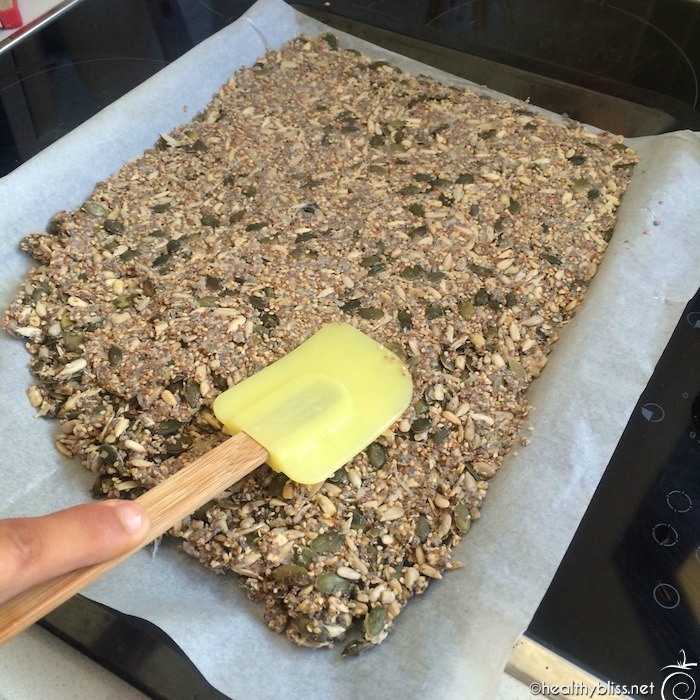
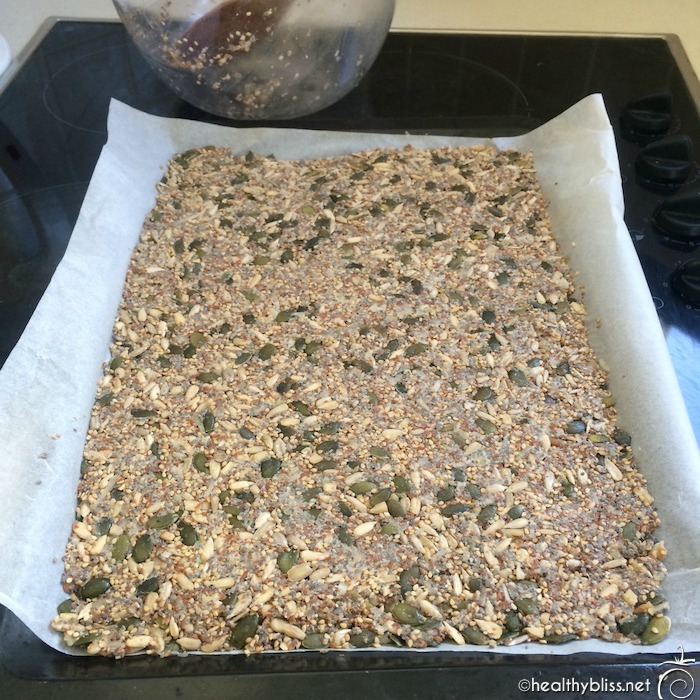
4. Prepare a baking sheet with a piece of parchment paper. Spread the mixture onto the paper, keeping the thickness uniform across the baking sheet. This is also the time to score the crackers if you want them to come out in even squares. (I never remember to do that, and they get eaten so fast that no one seems to care if they’re in uneven sizes!)

5. Place in the oven at 200C or 400F for about 15-20 minutes or until they look golden brown. (Keep scrolling down to FAQs to find out why I don’t use a dehydrator.)

6. Remove from oven to flip the crackers. To flip them easily, place the other piece of parchment paper on top of the cooked mix. Then, carefully flip onto a new baking tray. If you’re really agile, you can do a flawless flip onto the same tray. Remove the original parchment paper from the top of the now flipped crackers. Place back in the oven for another 15-20 minutes.

7. Remove from oven and break off into pieces. You can serve with some yummy pumpkin seed cheese or delicious garlic and lemon tahini.

Use organic seeds, raw and unsalted for these Paleo - Vegan - Gluten-Free crackers.

Use organic seeds, raw and unsalted for these Paleo – Vegan – Gluten-Free crackers.

1. In a large bowl, combine all the dry seeds.

Grate 1 medium onion, add to seeds plus 1 cup water then stir into mix.

Grate 1 medium onion, add to seeds plus 1 cup water then stir into mix.

2. Peel the outer skin from the onion. Then, using a grater, grate the onion on the medium-size holes. Add to the mix.

3. Measure 1 cup of filtered water and add to the bowl. Stir all ingredients together, adding the salt and any additional spices (I make these without any dried spices because they are delish enough on their own!) You can also grate a few raw garlic gloves and add them is desired. Once stirred, the mix should be sticking together. If not, slowly add a few more tablespoons of water until the mixture stays together.

Spread cracker mix evenly on pan and be sure to use parchment paper so they don't stick!

Spread cracker mix evenly on pan and be sure to use parchment paper so they don’t stick!

4. Prepare a baking sheet with a piece of parchment paper. Spread the mixture onto the paper, keeping the thickness uniform across the baking sheet. This is also the time to score the crackers if you want them to come out in even squares. (I never remember to do that, and they get eaten so fast that no one seems to care if they’re in uneven sizes!)

Ready to go into the oven at 200C or 400F for 15-20 minutes.

Ready to go into the oven at 200C or 400F for 15-20 minutes.

5. Place in the oven at 200C or 400F for about 15-20 minutes or until they look golden brown.

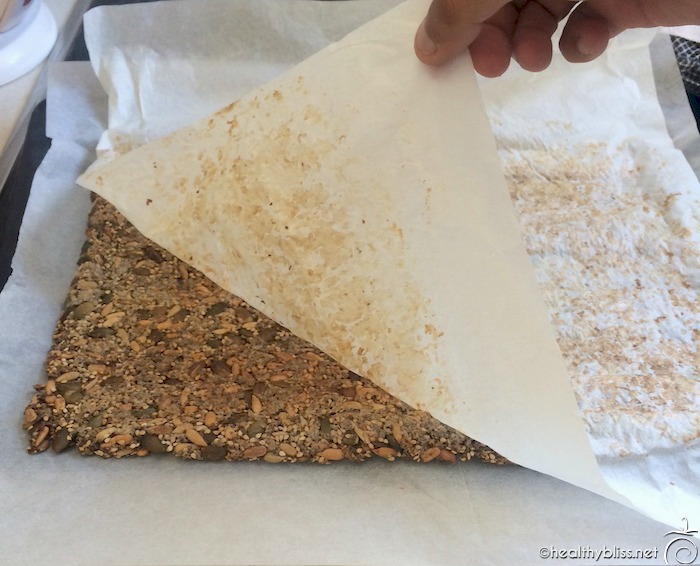
Flip crackers onto clean paper, then peel off the old one and discard. Back into oven for another 15-20 minutes.

Flip crackers onto clean paper, then peel off the old one and discard. Back into oven for another 15-20 minutes.

6. Remove from oven to flip the crackers. To flip them easily, place the other piece of parchment paper on top of the cooked mix. Then, carefully flip onto a new baking tray. If you’re really agile, you can do a flawless flip onto the same tray. Remove the original parchment paper from the top of the now flipped crackers. Place back in the oven for another 15-20 minutes.

7. Remove from oven and break off into pieces. You can serve with some yummy pumpkin seed cheese or delicious garlic and lemon tahini.

Products from Amazon.com

‹ ›
These vegan crackers are GREAT to share with family and friends or at a pot luck.

These vegan crackers are GREAT to share with family and friends or at a pot luck.

How to Make Seed Crackers FAQs

1. Why don’t you use a dehydrator?

Years ago I bought a dehydrator and I got really into it for an entire summer. I was dehydrating mangos and bananas round the clock, literally. After 1 month, I noticed my electric bill had jumped more than 40% higher than normal. Jeez! They don’t tell you that in the marketing. Energetically, I also felt that something was wrong. Blowing hot air on perfectly natural bananas for 2 days just to eat them in 1 minute seemed like a huge waste. Then I learned about positive ions and I realized I was blowing them into my house continuously when running a dehydrator. After that, I sold in on ebay and never looked back.

2. What are positive ions?

The air we breathe is full of oxygen molecules. Any molecule with an electron deficiency is called a positive ion and one with an extra electron is called a negative ion. Positive ions come from damaged molecules of air, in heating/air conditioning systems and from hair dryers…and food dehydrators. They are bad for our health because they can cause irritability, anxiety, depression and fatigue. Negative ions come from ocean waves, trees, plants and running streams. They have the opposite effect, leaving us feeling energized, healthy, happy and balanced.

Ever wonder why you feel more tired and depressed in the winter months? It could have to do with the build-up of positive ions in your house, right under your very nose!

3. Are you okay with these not being a RAW FOOD?

Yes, totally. I’ve been living a high raw food diet (80%-90%) for almost 10 years now and I am comfortable with where I’m at in my journey. I also love raw seeds and I often sprinkle them on salads but these crackers fulfill my occasional desire for something crunchy. It’s so awesome to eat a huge salad with 2 of these yum crackers on the side!

4. Can I use almond pulp or other ground nuts too?

Certainly you can try whatever combo or variation you want! But, I can tell you that almond pulp will probably not stick together very well. Same goes for ground cashews and other nuts. Seeds are unique because they have a special coating called mucilage which makes them naturally sticky or gelatinous when exposed to liquids. The stickiness helps the crackers stay together and not fall apart. Grated onion and water form the perfect “glue” to keep everything together even when cooked.

5. Why don’t you soak the seeds in advance?

Soaking the seeds in advance is an option if you are shooting for a live food, but since one of the things I like most about this recipe is that the crackers get crunchy, I don’t soak the seeds in advance.


This recipe is gluten-free, vegan, non-GMO and contains NO food additives. It’s full of fiber, contains natural medicinal foods and is loaded with vegan and plant-based proteins. And best of all, everyone seems to love them! I personally bring these to dinners with friends and also during Passover for traditional chametz meals and I can honestly say that everyone LOVES them!

More on Detox and pH Health:

  • Do you need to juice, and should you be juicing?
  • Raw Food Dessert Recipe: Cacao, Hazelnut & Banana Bliss
  • Detox Juice Recipe
  • Why I left Koh Samui, Thailand and Why I moved to Tel Aviv, Israel
  • Warnings when doing a Water Fast & Managing Hunger

More Healthy Recipes:

  • Healing – Sharing – Flowering – Transformation – Change
  • Do you need to juice, and should you be juicing?
  • Raw Food Snack: Recipe for Sesame Balls or ‘Raw Halva’ Dessert
  • Benefits of Raw Apple Cider Vinegar
  • Recipe: How to Make Raw Tahini Dressing or Dip

https://healthybliss.net/bliss/wp-content/uploads/2015/04/seedcrackers3D.jpg 700 700 Jennifer Betesh https://healthybliss.net/bliss/wp-content/uploads/2014/11/hb_logo_01.png Jennifer Betesh2015-04-08 13:40:302017-11-14 16:19:34Recipe for Super Energy Seed Crackers…& without a Dehydrator!

Alternative Grains to Wheat that are Gluten-Free

by Jennifer Betesh

Increasing variety of natural, whole foods gives your body more variety in minerals, enzymes, energy and healing power. Unfortunately, refined, processed wheat has become the staple food in many people’s diets today. Of course, wheat also contains gluten, a protein that can weaken the micro-villi in the small intestine, decrease absorption rates and over time can also weaken the peristalsis function of the colon. Even if you’re not intolerant to wheat or gluten, adding different grains to your diet is a good idea.

All information in this article is for educational purposes only.
It is not for the diagnosis, treatment, prescription or cure of any disease or health condition.
Whether you cook your grains or eat them raw (usually sprouted or soaked) is entirely up to you. Either way, your body will benefit from having less wheat and gluten. Don’t be afraid to add a cooked grain, such as quinoa or brown rice, to a delicious raw vegetable salad for a half-raw, half-cooked meal. Especially when transitioning to a high-raw diet, cooked grains can help you feel full and keep you on the path of natural, whole and pure foods.

Keep in mind that gluten is also found in kamut, spelt, barley and rye. If you are looking for a total gluten-free diet, you should avoid those grains as well.

Gluten-Free Grains

Buckwheat

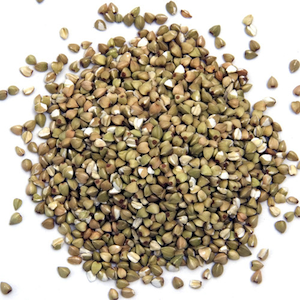
Technically buckwheat is not a grain. It is actually a fruit seed related the the rhubard family. It has a nutty taste and goes well with root vegetables like carrots or beets, onions and mushrooms. Buckwheat is high in protein (particularly lysine), is a rich source of B vitamins, and is high in manganese and tryptophan. Because of it’s high amounts of flavonoids, particularly rutin, buckwheat helps maintain blood flow, strengthens the blood and protects the low-density lipoprotein (LDL) cholesterol from free radical oxidation into potentially harmful cholesterol oxides. All these actions help to protect against heart disease.

Buckwheat is called ‘groats’ when unroasted (raw) and ‘kasha’ when roasted. In cooked food, buckwheat can be served as an alternative to rice or made into porridge. Buckwheat flour is great for making ‘healthy’ pancakes. As a raw food, buckwheat groats can be used to make a ‘raw’ porridge by soaking the groats overnight and adding cinnamon, dates, raisins and raw honey or agave.

Quinoa

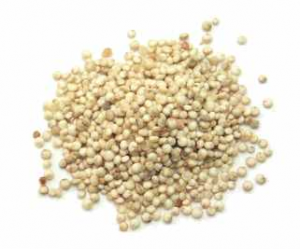
Quinoa is a food from the ancient Incas, and although considered a grain, it’s technically part of the Chenopodium plant family. Quinoa has a light flavor and nice texture when cooked; it’s also easy to sprout. Quinoa is consider a complete protein, meaning that it includes all nine essential amino acids. This makes it a great choice for vegans, vegetarians and raw foodists who are concerned with getting enough protein in their diet.

Quinoa is also a very good source of manganese as well as magnesium, iron, copper and phosphorus. Can you imagine how much nutrition your body will get? You can make a delicious quinoa salad with finely chopped red bell pepper. tomato, cucumber, chopped parsley, raw apple cider vinegar, cayenne pepper and sea salt.

Brown Rice

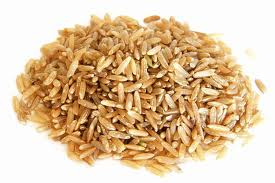
Brown rice has a much higher nutritional value than white rice because the outer layers of the grain are still intact. The processing and refining of white rice strips the rice of its nutrients. Brown rice is naturally high in B1, B3 and B6 vitamins as well as manganese and selenium. It is also a good source of dietary fiber.

Add some cooked brown rice to a salad of chopped cucumber, tomato and grated carrot. Drizzle with a mixture of tahini, water, squeezed lemon, cayenne pepper, cumin and salt. This makes for a healthy lunch or a great fast dinner. You can also use brown rice as a side dish to a main meal, adding some chopped scallions and minced garlic for flavor. Let your food be your medicine!

Corn

Many people forget about corn as a healthy grain option to add to the diet. Corn is naturally high in magnesium and helps to stimulate bowel function. It’s great for anyone suffering from constipation. Corn is an ancient grain that is high in B vitamins and carotenoid antioxidants and is another good source of dietary fiber.

Corn on the cob can be eaten either cooked or raw. If raw, simply cut the corn off the cob and add it to a salad. You can even eat the raw corn on it’s own with a dash of cayenne pepper and salt for a fantastic afternoon snack. Add raw corn to a fresh homemade salsa for some real raw food bliss!

A great snack for kids as a healthy alternative to potato chips or pretzels is to make homemade popcorn using the real kernels popped on the stove. Transfer the cooked popcorn to a serving bowl and drizzle with organic virgin olive oil. Sprinkle with salt and nutritional yeast for a yummy ‘cheese’ flavored treat.

Corn can be genetically modified which is definitely a concern, but keep in mind that genetically modified wheat will soon be produced for mass consumption too. At least corn is less processed than refined white flour and doesn’t contain gluten. If possible, buy corn from your local farmer and be sure that he is not growing ’roundup ready’ corn (ie, genetically modified and owned by Monsanto).

Millet

Millet is a fantastic gluten-free grain, naturally high in protein, phosphorous, iron and B vitamins. When cooked, millet has a sweet buttery taste. Millet can be sprouted and eaten raw; hulled millet should be used for cooking.

Cooked millet can be served as a breakfast porridge with a variety nuts and chopped fruits. Ground millet can be added to bread and muffin recipes as an alternative to wheat. Sprouted millet can be blended with flax seed, carrot pulp, rosemary and cayenne pepper and then dehydrated for some yummy raw food crackers.

Why is wheat so bad for you? William Davis, author of the book Wheat Belly, explains it well. He says, “Eliminating wheat is the easiest and most effective step you can take to safeguard your health and trim your waistline. An interesting fact: Whole wheat bread (glycemic index 72) increases blood sugar as much as or more than table sugar, or sucrose (glycemic index 59). So, when I was devising a strategy to help my overweight, diabetes-prone patients reduce blood sugar most efficiently, it made sense to me that the quickest and simplest way to get results would be to eliminate the foods that caused their blood sugar to rise most profoundly, in other words, not sugar, but wheat.”

Davis also states,” Whether it’s for convenience, taste, or in the name of “health,” Americans have become helpless wheataholics, with per capita annual consumption of wheat products (white and wheat bread, durum pasta) having increased by 26 pounds since 1970. If national wheat consumption is averaged across all Americans – babies, children, teenagers, adults, the elderly – the average American consumes 133 pounds of wheat per year. (Note that 133 pounds of wheat flour is equal to approximately 200 loaves of bread, a bit more than half a loaf of bread per day). Nobody becomes diabetic by gorging on too much kale. But plenty of people develop diabetes because of too many muffins, bagels, breakfast cereals, pancakes, waffles, pretzels, crackers, cakes, cupcakes, croissants, donuts and pies.”

With rates of diabetes, Irritable Bowel Syndrome (IBS), colitis, celiac and cancer going through the roof and increasing every day, isn’t it time we started to make some serious changes to our diets?

Products from Amazon.com

‹ ›

More Healthy Recipes:

  • Raw Food Recipe for Raw Energy Balls – Fast & Easy!
  • Raw Food and Green Smoothie Classes in Seoul, Korea
  • Ingredients for Green Smoothies in Thailand – Increase Fiber, Minerals & Alkaline-Forming Foods
  • Raw Food Slicer Salad Tool – Preparation Made Easy
  • Why I still love my Daily Green Smoothie…

More on Gluten-Free:

  • How to Make Fresh Sprouts at Home
  • Recipe: Raw Tahini, Garlic and Lemon Salad Dressing or Veggie Dip…and it’s Amazing!
  • Raw Zucchini Rolls with Walnut Pesto and Cashew Cheese: Recipe
  • Raw Detox Salad Recipe
  • What’s Wrong with Vegenaise
https://healthybliss.net/bliss/wp-content/uploads/2011/10/millet300.png 287 300 Jennifer Betesh https://healthybliss.net/bliss/wp-content/uploads/2014/11/hb_logo_01.png Jennifer Betesh2011-10-31 22:57:142018-06-29 07:55:47Alternative Grains to Wheat that are Gluten-Free

Spirulina: 60% Complete Vegetable Protein Green Superfood

by Jennifer Betesh

Superfoods are getting more and more popular these days, and it can start to get overwhelming to decide which ones you need and what is most important to add to the diet. Without a doubt, spirulina is a superfood that I would definitely recommend because it has so many nutritional benefits, it’s easily available and it’s not that expensive. What more could you ask!

Spirulina Superfood

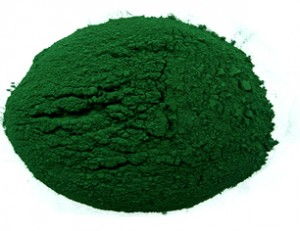
Spirulina is a blue-green algae that grows in fresh water. It is cultivated, dried and sold either in powder, tablet, capsule or even ‘crunchy’ form. You can easily add the powder to your daily smoothie, but if you prefer you can simply take one tablet daily.

Dr. Morton Walker in his book The Chelation Way, explains the nutritional benefits of spirulina:

‘This fresh water algae has the highest conversion rate to sunlight – 8% – as compared to other plants (3 to 5 percent). Thus, spirulina brings you the most potent form of nutritional benefits derived from photosynthesis of the sun’s light. It is a complete vegetable protein and is the source of practically all the vitamins, minerals, digestive enzymes, trace elements, cell salts and chlorophyll your body needs for almost perfect nutrition.

Essential minerals in spirulina include iron, magnesium, manganese, zinc, potassium and others. It also contain B complex, especially B-12, so that spirulina could be an important food supplement for vegetarians. One tablespoon has one and a half more niacin than a half-cup serving of brown rice. This plant is so packed with power, in fact, that the authority says you could actually live on just two to three tablespoons a day. It is concentrated nutrition.’

According to the nutritional information supplied by Spirulina Planet, ‘Spirulina has 60% easy-to-digest complete vegetable protein without the fat and cholesterol of meat. Spirulina is also the richest source of natural beta carotene, ten times more concentrated than in carrots. It is also the richest source of B-12, richer than beef liver!’

Spirulina is known to be an excellent source of iron. If that wasn’t enough, it’s also a very good source of chlorophyll, known to be a natural cleanser for the blood and a natural detoxifier.

If you are already making a daily fruit or green smoothie, it’s very easy to add 1-5 grams (1 Tbsp. is ok) to your smoothie. A simple recipe would be:

Green Smoothie with Spirulina

In a blender, blend:
2 cups water
1 handful fresh spinach
1 medium banana
3 fresh peaches or nectarines, cut into slices (no seeds)
Juice of 1/2 lemon
1 Tbsp. spirulina powder

Spirulina Crunch

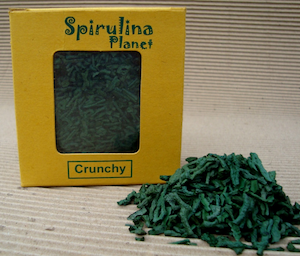
One of my favorite ways to enjoy spirulina is in the ‘crunch’ form. You can find these at spirulinaplanet.com or online at different raw food websites. It is so delicious and the crunch doesn’t have any ‘pond scum’ taste.

My friend Anita Cheung at i-detox.com showed me how to make a great trail mix using the spirulina crunch. She mixes dried goji berries, raw pumpkin seeds, cacao nibs and spirulina crunch for a superfood snack extravaganza. My preference is to mix dried raisins, dried goji berries, raw pumpkin seeds and spirulina crunch. Yum! What a great snack to take on the road for the day or while traveling! Just a little bit fills you up too!

I also like to sprinkle some spirulina crunch to salads occasionally just for something different.

If you decide to use spirulina powder, you can add 1 Tbsp. to a sweet fruit smoothie and the taste is usually hidden. An example is 1 Tbsp. spirulina, 1 cup fresh pineapple, 1 banana, 1/4 cup fresh strawberries, 1 cup water, 2 Tbsp. ground flax seed blended in a blender.

You can even add spirulina to plants or home vegetable garden as a way to mineralize the soil and give more nutrients to the plant. Once a month, add 1 tsp. or 1 spirulina tablet to the soil near the base of the plant. Water the plant or garden normally.

Products from Amazon.com

‹ ›

Imagine all the good you are doing for your body just by adding this one superfood to your diet. Your body will thank you with more energy and power to get you through a healthy raw food day!

More on Green Smoothies:

  • FREE Blendtec Blender Giveaway ($549.00 Value) – Yes, you can WIN!
  • Featured Superfood: Hemp Seed
  • Importance of Doing a Heavy Metal Detox
  • Raw Food and Green Smoothie Classes in Seoul, Korea
  • Featured Superfood: Acai Powder

https://healthybliss.net/bliss/wp-content/uploads/2011/08/spirpowder.png 231 300 Jennifer Betesh https://healthybliss.net/bliss/wp-content/uploads/2014/11/hb_logo_01.png Jennifer Betesh2011-08-09 13:36:562017-11-27 12:26:16Spirulina: 60% Complete Vegetable Protein Green Superfood

Affirmation

Affirmation: I am at peace with all that has happened, is happening, and will happen.

My book: Green Smoothies for Dummies

Buy on Amazon and iTunes!

Shop Healthy!

Green Smoothies: Everything you need!

Your Career in Health!

The Ultimate Detox

Get inspired!

Topics for a Healthier YOU!

Food for Thought

"If you can't fly, then run. If you can't run, then walk. If you can't walk, then crawl. But whatever you do, keep moving."
- Dr. Martin Luther King Jr.

About @healthybliss

Jennifer Betesh has been working with clean food, juices, smoothies and detox for over two decades to help people heal. Today, she shares her expertise worldwide, offering lectures, workshops, training and one-on-one consultations at various health and detox retreat centers. She provides Iridology Readings / Health Coaching via Skype and Phone to clients. When she’s not working, you’ll find her hiking in the mountains, walking along the sea or globe-trotting to a new health destination. > > Read More

New on the Blog

  • What is an elimination diet?
  • Intermittent fasting – What’s the best way?
  • How do you know when it’s time to STOP fasting
  • When is the BEST time (and WORST time) to START a detox
  • How to Ask the Right Questions at a Farmers Market

Disclaimer

The information provided on this site is for informational purposes only. It is not intended as a substitute for advice from your physician or other health care professional or any information contained on or in any product label or packaging. Always consult with a healthcare professional before starting any diet, exercise or supplementation program, before taking any medication, or if you have or suspect you might have a health problem. Read full disclaimer here.

Archive

  • March 2019
  • February 2019
  • March 2018
  • January 2018
  • December 2017
  • November 2017
  • August 2017
  • July 2017
  • June 2017
  • May 2017
  • March 2017
  • November 2016
  • January 2016
  • April 2015
  • March 2015
  • February 2015
  • January 2015
  • December 2014
  • November 2014
  • October 2014
  • September 2014
  • July 2014
  • June 2014
  • May 2014
  • April 2014
  • December 2013
  • November 2013
  • October 2013
  • September 2013
  • July 2013
  • June 2013
  • May 2013
  • April 2013
  • February 2013
  • January 2013
  • December 2012
  • November 2012
  • October 2012
  • September 2012
  • July 2012
  • June 2012
  • March 2012
  • February 2012
  • January 2012
  • October 2011
  • September 2011
  • August 2011
  • July 2011
  • June 2011
  • April 2011
  • February 2011
  • January 2011
  • December 2010
  • August 2010
  • July 2010
  • March 2010
  • February 2010
  • January 2010
  • December 2009
  • November 2009
  • October 2009
  • September 2009
  • August 2009
  • July 2009
  • June 2009
  • May 2009
  • April 2009
  • March 2009
  • January 2009
  • December 2008
  • November 2008
  • September 2008
  • August 2008
  • July 2008
  • June 2008
  • April 2008
  • March 2008
  • February 2008
  • August 2007
  • April 2007
Copyright ©2009 - 2026 Jennifer Betesh All Content.
  • Link to Facebook
  • Link to Instagram
  • Link to Mail
  • Blog
  • Disclaimer
  • Media/Press
  • FAQs
  • Contact
  • Books
Scroll to top Scroll to top Scroll to top