
Alkalize Your pH – How Alkaline Acid Balance affects your Health

The pH level is a measure of your acid/alkaline balance in the body. It is based on a scale of 1 to 14, with 7 being neutral. Ideally in a healthy body, the pH of the blood should be about 7.385.
All information in this article is for educational purposes only.
It is not for the diagnosis, treatment, prescription or cure of any disease or health condition.
Dr. F. Batmanghelidj, author of Water for Health, for Healing, for Life, explains the pH scale further. He says, “Why 7.4, and what is pH? From 1 to 7 on the pH scale is the acid range, 1 being more acid than 7. From 7 to 14 on the scale is the alkaline range; 7 is less alkaline than 14. On the pH scale, 7 is neutral, meaning optimum. Thus, pH of 7.4 of the interior of the cell denotes its natural, slightly alkaline state. This state promotes health because it is the state that best suits the enzymes that function inside the cell: They achieve optimum efficiency at this pH. Adequate flow of water in and out of the cell keeps the cell interior in its health-maintaining alkaline state.”
Factors that affect pH include stress, diet and lifestyle.
If the body is too acidic, you can start to experience feelings of imbalance including gas, constipation, bloating, acne, heartburn, acid reflux, indigestion, mild headaches, gastritis, candida and frequent flus. Advanced symptoms of over-acidity include Crohn’s disease and even cancer (all forms).
If your diet is largely composed of meats, fish, cheeses, breads, white flour foods, greasy take-aways, chocolate, coffee, wine, beer and cigarettes (all acid-forming), you may be suffering from an over-acidic body.
The body needs an alkaline pH to maintain clean blood, good enzyme reserve and healthy immune function.
Did you know that antacid pills are the highest selling product in pharmacies around the world? Imagine how many people could reclaim their health, simply by choosing a better combinations of food!
With Iridology, I can easily assess if my client is suffering from acidosis. It is one of the first things that needs to be changed for the body to get well.

Remember the 80/20 rule!
The general recommendation to maintain a healthy pH is: Eat 80% alkaline-forming foods and 20% acid-forming foods.
When we talk about ‘acid-forming’ and ‘alkaline-forming,’ we are looking at how much acid the stomach has to produce in order to digest the food. An orange, even though it is acidic outside the body, when we eat it, the stomach has to produce almost no acid. Therefore, oranges are ‘alkaline-forming’. Apple cider vinegar is clearly acidic when sitting on your counter. But, inside your stomach, it becomes ‘akaline-forming,’ because the stomach has to produce almost no acid to digest it. Conversely, something like bread requires a lot of acid to digest, so it is considered to be ‘acid-forming’.
How to get a more Alkaline pH:
- Eat more fruits and vegetables!Greens are the Great Alkalizer. Another reason to have your Green Smoothie every day!
- If you eat meat, bread or cheese, try to add more vegetables. Get creative with your side salads!
- Add fresh lemon, lime or raw apple cider vinegar to soups, salads and juices. Mother Nature’s alkalizers!
- Take probiotics! A healthy gut is alkaline.
- Rest and sleep! Engage in positive conversations. Laugh. Practice unconditional love. All alkaline-forming activites.
- Create peaceful mealtimes. Be conscious while you are eating your food.
- Give thanks for the gift of food, an offering to your temple of a healthy body, mind and spirit!
Read more information on the liver and liver cleansing here:
Gallstone Liver Flush – Recipe & Cleanse Info
How to Do a Coffee Enema at Home
How to Do a Castor Oil Pack for Liver Cleansing
How to Do Onion Socks for Healing


How to Eat Clean: Start with Green Smoothies!
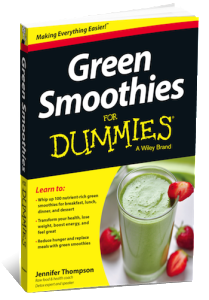 Check out my book Green Smoothies for Dummies – I’ve got loads of recipes using dark leafy greens and many delicious combos without any chemical additives, flavorings or refined sugar. It’s so easy!
Clean your body from the inside out and watch your skin improve, your hair and nails get stronger, your eyes look brighter and your waistline slim down….all naturally and effortlessly! It’s simply amazing and your only regret will be that you didn’t start drinking green smoothies sooner.
When you take care of your whole body, you get whole body health.
When you let your food be your medicine, you are always moving towards better health.
Find the book Green Smoothies for Dummies on iTunes or amazon.com!
For more on how to achieve your health goals and actually start feeling great, book a private health consult with me via Skype.
How to Book Your Health & Nutritional Coaching Session:
1. Take photos of your eyes with a smart phone or digital camera.
2. Email the photos to me for approval for Iridology Analysis.
3. We schedule a time to meet via phone or Skype!
More on anti-Aging:
- 70-Year-Old Looks 30, Reveals Fountain of Youth (Yep, Raw Food!)
- Hollywood Celebrities and Supermodels are Drinking Green Smoothies!
- Why the “Detox Myth” is a Myth!
- Aloe Vera: Nature’s Alternative to Botox!
- Motivational Health Quotes from Paul Bragg
More on Detox and pH Health:
- How to Clean the Lymphatic System & Detox the Skin in 5 Simple Steps
- Recipe: Raw Tahini, Garlic and Lemon Salad Dressing or Veggie Dip…and it’s Amazing!
- My boyfriend followed my Raw Food Diet and got Anemia!
- Earliest Raw Food and Fasting Book: The Ancient Essene Gospel of the Peace
- Recipe: How to Make Raw Tahini Dressing or Dip


Jennifer Betesh
Latest posts by Jennifer Betesh (see all)
- What is an elimination diet? - 28 March, 2019
- Intermittent fasting – What’s the best way? - 15 March, 2019
- How do you know when it’s time to STOP fasting - 28 February, 2019
- When is the BEST time (and WORST time) to START a detox - 20 February, 2019



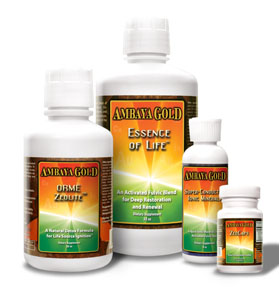





What do you think of alkalizing drops for water (like Alkazone)? Supposed to help balance your pH but maybe too unnatural? Thank you!!
Dear Danielle,
I’ve tried a similar brand of alkaline drops before to see if I felt any positive (or negative) effect, and to be fair…I have to say that I didn’t notice any change.
For my clients with very bad acid reflux who cannot possibly start with raw apple cider vinegar because they are already so acidic, I usually recommend to have 1/4 tsp. baking soda (bicarbonate soda) mixed with a small glass of water and drink before each meal. Once the acid reflux symptoms go away, I recommend to have it just one time daily before dinner. Of course they are also advised to be changing to an alkaline diet in the interim. Most people will feel relief within just a few days!
To your health,
Jennifer
Thank you for this article! I’m glad you reposted the link in your article about raw ACV. I’ve been trying to understand how an acidic food could cause alkaline-forming conditions, and you’ve unveiled that mystery for me! Whew! I shared this and the other article and I appreciate your insights.
So how do you know how much acid is produced by the stomach for each food. Is there a list somewhere?
Jennifer, I have been reading about ACV for acid reflux (LPR in my case not GERD). Being that reflux is caused by too little stomach acid, how does taking an alkaline forming substance that needs no acid production for digestion help to restore the right level of acid in the stomach or is it simply to alleviate the symptoms and will not actually help with the root cause of reflux? Your thoughts appreciated. Sandy
Dear Sandy,
You have more factors to consider with reflux, GERD or LPR than just pH of the stomach, most notably your bacterial balance (or imbalance), your digestive enzymes and also the amount of oxygen in the body. And of course your normal daily diet which must be noted for anyone to be able to answer how to fix the root cause of a condition. Reflux can be caused by a combination of all of the above including too much stomach acid, so I am unable to answer your question since I do not have enough info to understand what’s even happening. In short, I can’t look at the outside of a car and know the condition of the engine!
I hope that helps and good luck with your quest for natural health! The entire DIET IS KEY.
My best,
To your health,
Jennifer
Hi Jennifer, I do understand the logic of acidic foods being alkaline-forming because the body does not have to produce any acid to digest it. So how does this acidic food contribute to making the body alkaline when all we have done so far is add acidic food to let’s say an alkaline body? By this analysis, can we conclude that Coca-Cola being highly acidic would be alkaline-forming and thus a healthy drink?
Dear Vivekyathi,
You’re making an incorrect assumption that all acid foods are alkaline-forming, and this is where you are getting confused. Lemons are alkaline-forming. Oranges, limes, and all fruits & veggies (except white potato) are alkaline-forming.
Refined sugar is acid-forming. Bread (which may even seem neutral) is acid-forming. Diet soda (with chemical coloring and flavors + aspartame) is acid-forming. Coca-cola is acid-forming. (The stomach needs to produce a lot of acid to digest Coca-Cola.) Alcohol is acid-forming. Rice and quinoa are acid-forming.
You can’t look at the food itself on a table and try to know if it’s alkaline or acid-FORMING just by the pH of the food. You have to know how much acid does the stomach need to produce in order to digest the food.
so instead of bread what else can we subtituted to this kind of food because I used to eat bread in the morning and rice during lunch and dinner
Dear Yasser,
A green smoothie is a great option for breakfast. You can check out lots of awesome recipes in my book – Green Smoothies for Dummies – available on amazon and iTunes. For lunch, how about a fresh salad with lentils, black beans or chickpeas? And for dinner…some steamed veggies, or a homemade soup, or even fresh veggie and brown rice salad would be wonderful! Preferably organic ingredients if possible!
My best,
To your health,
Jennifer
Ok Jen thanks anyway
I don’t see the leap to alkalinity just because your stomach doesn’t need extra acid to digest acv. I still see acid conditions. What is the chemical miracle that changes acid to alkaline? I’ve had physiology and organic chemistry, and i still don’t get it. please help with a scientific answer. thanks much.
Dear Ken,
What acid conditions do you “still see” and what is the rest of the diet? If you understand chemistry, then you know that the entire diet is important in determining your health so we need to know what else you are eating. The chemical miracle is happening inside your body during the process of digestion, absorption and elimination.
But don’t forget the old saying that “stress can kill you,” well that’s not just a fairytale. Stress can actually change your body pH from alkaline to acid. Not everything can be measured in a machine, but it doesn’t mean that it’s not real. For example, do you want to tell me that LOVE is not real because you can’t see it in a chemical analysis? Science has been able to measure a lot, but not everything. So even though the basis of alkaline or acid condition is from diet and any toxins or inorganic chemicals present, emotions can also play into and affect a person’s pH results.
You’re welcome and thanks for stopping by!
Are there any good Alkaline Diet books available in a Kindle version?
Hi Jennifer,
I recently started using alkaline drops for water. Any experience or feedback on these drops?
I did a gallbladder fish about a month ago, because of pain. About 3 weeks later I’m having to do it again because of pain. Could I be causing this by something I’m eating? Like a food allergy? I try to eat a paloe diet for the most part. I was so surprise at how many stones came out and the size and not a month later I was in pane again. Any suggestions would be greatly appreciated.
Thank you
Mayra
Hi
I’m a bit confused about alkaline and acidic foods and the process of how they work in the body.
You say that apple cider vinegar and oranges are alkaline-forming, even though they are acidic, because the stomach doesn’t have to produce much acid to digest them. But by that logic wouldn’t all acidic foods be alkaline forming? And wouldn’t alkaline foods be bad for you because your stomach needs to produce more acid to digest them?
It doesn’t make sense to me.
I would have thought that alkaline foods are good for you because they make you produce more stomach acid to balance out the alkaline food, therefore making your blood more alkaline.
Doesn’t more acid going to the stomach mean less in the blood? And vice-versa.
The body is a closed system so if you add an acid wouldn’t that just make the system more acidic?
Hi Ashley, I think you may be confusing the terms ‘acid’ and ‘acid-forming’ and ‘alkaline’ and ‘alkaline-forming.’ The body creates a lot of acid to digest acid-forming foods (meaning excess acid is ‘formed’ through the process of digestion). The body has to make almost no acid to digest ‘alkaline-forming’ foods. Of course, thoughts are emotions change the body pH too (have you ever felt sick from stress? That is from excess acid being created internally just from negative emotions!). Alkaline-forming foods are good for you because the stomach has to produce almost no acid to digest them. Too many acid-forming forms are bad. Remember, there is a difference between ‘acid’ and ‘acid-forming.’ For more information on this subject, I highly recommend the book called PH Miracle by Shelley and Robert Young. Thank you!
Hi
If the value of ph in urine test is 6.5.is it healthy or not? Please reply.
It is in the acidic range, and therefore, unhealthy.