
• Link to Facebook
  • Link to Instagram
  • Link to Mail
  • Iridology
  • Your Health Coaching
  • Books
Jennifer Betesh
  • About
    • About Jennifer
  • Consultations
    • Iridology Assessments
      • Iridology – How To Take Your Iris Photos
    • Your Health Coaching
    • Personalized VIP Detox
    • Spa/Business Consulting
  • Your Symptoms
    • Fatigue/Foggy Brain
    • Skin Problems or Rashes
    • Digestive Problems
    • Food Allergies
    • Pain or Headaches
  • Testimonials
  • Stuff I like
    • My Favorite Juicer
    • My Favorite Things
    • Be a Health Coach
  • Blog
  • Store
  • Click to open the search input field Click to open the search input field Search
  • Menu Menu

Tag Archive for: plant protein

Why I don’t use protein powders…and why you shouldn’t either!

by Jennifer Betesh

The protein powder craze is one health trend that you should definitely avoid, and I’m about to tell you why!
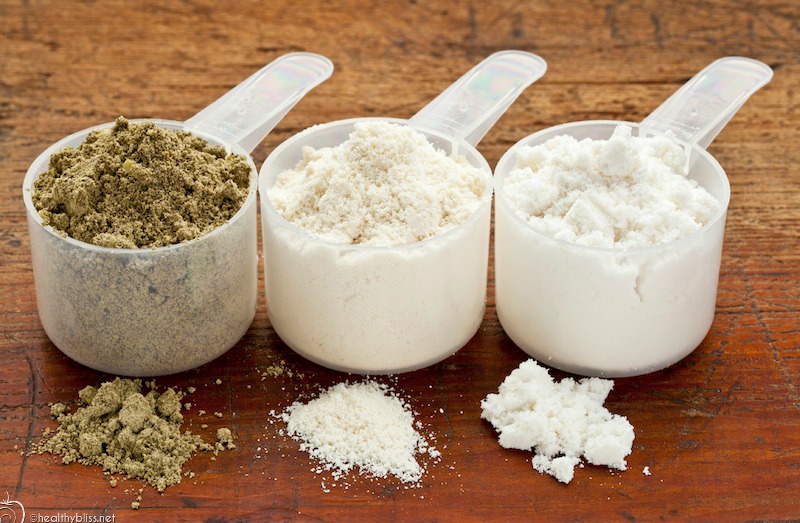
Chose Whole Foods and Whole Dried Foods, organic of course!

Learn what protein powders to avoid and why!

All information in this article is for educational purposes only.
It is not for the diagnosis, treatment, prescription or cure of any disease or health condition.

Even with all their amazing health claims on everything from weight loss to better workouts to rock solid abs, I never felt drawn to protein powders. My feeling was always to stay close to nature with my foods, and I just wasn’t sure how a vanilla or chocolate or strawberry-flavored powder felt like anything except an overly processed food. Over the years, I started to hear from clients who were getting sick from these powders – mainly pain in the lower back, bad skin, insomnia, depression and kidney troubles. In every case, the symptoms occurred AFTER starting high doses of protein powder. As I started to look at the ingredients on different labels, I knew that my intuition on this one had been right all along.

Not a Whole Food

Most people mistakenly think that protein powders are just whole foods ground up into a powder form, and that is definitely not true. In fact, in order to get a high protein count, you have to extract the proteins out of the food and leave the rest behind. Otherwise, you could not get anywhere near a high protein concentration. And with protein powders, the more protein, the better.

Pea protein is the worst offender, especially for people who may react to these unnatural extracted proteins. That’s right…pea protein is an extracted protein, made in a lab, and it’s got a high glutamate concentration so it can affect you in the exact way as Monosodium Glutamate, or MSG. I’ve had a few clients who taking high doses of protein powders and they complained of migraine headaches, anxiety, and sensitivity to light or sound. Once we took the pea protein out of their diet, all symptoms disappeared.

Note: ALL pea protein is extracted, even if it’s 100% certified organic. The same protein powders can be used in diet and weight loss shakes as well as body-building blends.

Not Natural

Many protein powders contain “natural” flavors (note: the word “natural” is not regulated and can mean just about anything), artificial coloring and/or artificial sweeteners, none of which are good for your health. You can also find Genetically Modified (GMO) ingredients and/or Whey Protein Isolate, another high glutamate/extracted ingredient which is non-vegan and usually not organic so it can be high in antibiotics and pesticides too.

Not Regulated

Since protein powders are considered a “food” and not a supplement, they’re not actually regulated by the Food and Drug Administration (FDA). In a few cases, independent studies found high levels of heavy metals in certain ingredients such as organic brown rice protein. If your protein powder contains dangerously high levels of arsenic, cadmium or lead, how would you know? You won’t. Until it’s too late that is, and I don’t want that to happen to you!

Many of the ingredients in the mass-produced protein powders come from India and China, and they are not regulated for quality or contaminants. Those low-quality ingredients are most likely irradiated as well.

Hard on the Kidneys

So you’ve got an extracted unnatural powder protein that was heated to super-high temperatures, stripped of its fiber and is no longer a whole food. (Yikes!) What’s your natural, organic body going to do with that? You’ll have excess acid and uric acid build-up that’s created from the metabolic waste in trying to digest and break down all those proteins. Your skin and kidneys carry the burden of trying to release excess acids. You might smell an “acidic or tangy” odor in your sweat. Over time, the kidneys can become weaker and the risk of getting kidney stones or kidney disease can increase. Eating a high acid diet is also not good for your pH health. An anti-cancer diet is an alkaline diet, not a a high acid diet.

Not Around Long Enough to Know

The boom of high protein diets helped to make protein powders a new diet trend. Just read any Paleo, Dukan, Atkins or low carb diet website and you will see everyone is talking about protein – protein – protein.  I’ve even heard people talking about cricket protein powders (and surely that’s coming from China so imagine what’s in it, really).

But here’s the deal –  you can still eat plenty of protein if that’s your thing. Just choose whole foods! There are plenty of natural, vegan, organic whole food plant protein options out there. Since protein powders simply haven’t been around long enough to know if there are long-term consequences to your health, why take a chance?

Choose Real Whole Organic Food

Your body was designed to eat whole foods.

Here are 5 plant-based whole food protein sources:

  • 164g chickpeas = 14.53g  protein
  • 118g pumpkin seeds = 35.21g protein
  • 143g almonds = 30.34g protein
  • 140g sunflower seeds = 29.09g protein
  • 30g hemp hearts protein (3 Tbsp.) = 15.00g protein

Okay to Eat: Organic hemp protein, flax seed and spirulina powder. These are all whole foods; that means the whole seed or algae is dried and ground into a powder form. (The powders you want to avoid are the processed foods, such as “extracted, hydrolyzed, and protein isolates.”)

Best to Avoid: Pea protein, whey isolate, any hydrolyzed protein, natural flavors, aspartame, beet powder (if non-organic, this is usually GMO).

Other good vegetable/plant-based sources of protein include organic spirulina powder, sprouted mung beans, lentils, sesame seeds and dark leafy bitter greens.

Products from Amazon.com

‹ ›

You can make a super-healthy Green Smoothie with pumpkin seeds, hemp seeds, tahini (sesame seed paste), almonds and spirulina plus some fresh dark, leafy greens for an all-natural plant-based protein meal. You deserve the very best in health so I say choose the best!

UPDATE! Read an updated article I wrote on this subject called Protein Powders containing Mercury, Lead, Arsenic and Cadmium: WARNING!

Find out why you should avoid the latest protein powder craze

More on Blenders and pH Health:

  • Win a FREE Green Smoothie Starter Kit Superfood Bundle!
  • Why I don’t add Almond Milk, Soy Milk or Coconut Water to Green Smoothies
  • Win a FREE Nutri NINJA Blender DUO + Green Smoothie Book Giveaway!
  • What is an Alkaline Diet? Know your pH Health
  • Win a FREE Omega Blender – $449 Value! Giveaway!

More on Green Smoothies:

  • Win a FREE Nutri NINJA Blender DUO + Green Smoothie Book Giveaway!
  • Do you need to juice, and should you be juicing?
  • Green Smoothie Recipe & Video Demonstration
  • Why I still love my Daily Green Smoothie…
  • Top 10 New Year’s Resolutions

https://healthybliss.net/bliss/wp-content/uploads/2014/11/proteinpowdersdd.jpg 523 800 Jennifer Betesh https://healthybliss.net/bliss/wp-content/uploads/2014/11/hb_logo_01.png Jennifer Betesh2014-11-23 12:24:342018-06-29 07:55:35Why I don’t use protein powders…and why you shouldn’t either!

Why I don’t use protein powders…and why you shouldn’t either!

by Jennifer Betesh

The protein powder craze is one health trend that you should definitely avoid, and I’m about to tell you why!

Chose Whole Foods and Whole Dried Foods, organic of course!

Learn what protein powders to avoid and why!

All information in this article is for educational purposes only.
It is not for the diagnosis, treatment, prescription or cure of any disease or health condition.

Even with all their amazing health claims on everything from weight loss to better workouts to rock solid abs, I never felt drawn to protein powders. My feeling was always to stay close to nature with my foods, and I just wasn’t sure how a vanilla or chocolate or strawberry-flavored powder felt like anything except an overly processed food. Over the years, I started to hear from clients who were getting sick from these powders – mainly pain in the lower back, bad skin, insomnia, depression and kidney troubles. In every case, the symptoms occurred AFTER starting high doses of protein powder. As I started to look at the ingredients on different labels, I knew that my intuition on this one had been right all along.

Not a Whole Food

Most people mistakenly think that protein powders are just whole foods ground up into a powder form, and that is definitely not true. In fact, in order to get a high protein count, you have to extract the proteins out of the food and leave the rest behind. Otherwise, you could not get anywhere near a high protein concentration. And with protein powders, the more protein, the better.

Pea protein is the worst offender, especially for people who may react to these unnatural extracted proteins. That’s right…pea protein is an extracted protein, made in a lab, and it’s got a high glutamate concentration so it can affect you in the exact way as Monosodium Glutamate, or MSG. I’ve had a few clients who taking high doses of protein powders and they complained of migraine headaches, anxiety, and sensitivity to light or sound. Once we took the pea protein out of their diet, all symptoms disappeared.

Note: ALL pea protein is extracted, even if it’s 100% certified organic. The same protein powders can be used in diet and weight loss shakes as well as body-building blends.

Not Natural

Many protein powders contain “natural” flavors (note: the word “natural” is not regulated and can mean just about anything), artificial coloring and/or artificial sweeteners, none of which are good for your health. You can also find Genetically Modified (GMO) ingredients and/or Whey Protein Isolate, another high glutamate/extracted ingredient which is non-vegan and usually not organic so it can be high in antibiotics and pesticides too.

Not Regulated

Since protein powders are considered a “food” and not a supplement, they’re not actually regulated by the Food and Drug Administration (FDA). In a few cases, independent studies found high levels of heavy metals in certain ingredients such as organic brown rice protein. If your protein powder contains dangerously high levels of arsenic, cadmium or lead, how would you know? You won’t. Until it’s too late that is, and I don’t want that to happen to you!

Many of the ingredients in the mass-produced protein powders come from India and China, and they are not regulated for quality or contaminants. Those low-quality ingredients are most likely irradiated as well.

Hard on the Kidneys

So you’ve got an extracted unnatural powder protein that was heated to super-high temperatures, stripped of its fiber and is no longer a whole food. (Yikes!) What’s your natural, organic body going to do with that? You’ll have excess acid and uric acid build-up that’s created from the metabolic waste in trying to digest and break down all those proteins. Your skin and kidneys carry the burden of trying to release excess acids. You might smell an “acidic or tangy” odor in your sweat. Over time, the kidneys can become weaker and the risk of getting kidney stones or kidney disease can increase. Eating a high acid diet is also not good for your pH health. An anti-cancer diet is an alkaline diet, not a a high acid diet.

Not Around Long Enough to Know

The boom of high protein diets helped to make protein powders a new diet trend. Just read any Paleo, Dukan, Atkins or low carb diet website and you will see everyone is talking about protein – protein – protein.  I’ve even heard people talking about cricket protein powders (and surely that’s coming from China so imagine what’s in it, really).

But here’s the deal –  you can still eat plenty of protein if that’s your thing. Just choose whole foods! There are plenty of natural, vegan, organic whole food plant protein options out there. Since protein powders simply haven’t been around long enough to know if there are long-term consequences to your health, why take a chance?

Choose Real Whole Organic Food

Your body was designed to eat whole foods.

Here are 5 plant-based whole food protein sources:

  • 164g chickpeas = 14.53g  protein
  • 118g pumpkin seeds = 35.21g protein
  • 143g almonds = 30.34g protein
  • 140g sunflower seeds = 29.09g protein
  • 30g hemp hearts protein (3 Tbsp.) = 15.00g protein

Okay to Eat: Organic hemp protein, flax seed and spirulina powder. These are all whole foods; that means the whole seed or algae is dried and ground into a powder form. (The powders you want to avoid are the processed foods, such as “extracted, hydrolyzed, and protein isolates.”)

Best to Avoid: Pea protein, whey isolate, any hydrolyzed protein, natural flavors, aspartame, beet powder (if non-organic, this is usually GMO).

Other good vegetable/plant-based sources of protein include organic spirulina powder, sprouted mung beans, lentils, sesame seeds and dark leafy bitter greens.

Products from Amazon.com

‹ ›

You can make a super-healthy Green Smoothie with pumpkin seeds, hemp seeds, tahini (sesame seed paste), almonds and spirulina plus some fresh dark, leafy greens for an all-natural plant-based protein meal. You deserve the very best in health so I say choose the best!

UPDATE! Read an updated article I wrote on this subject called Protein Powders containing Mercury, Lead, Arsenic and Cadmium: WARNING!
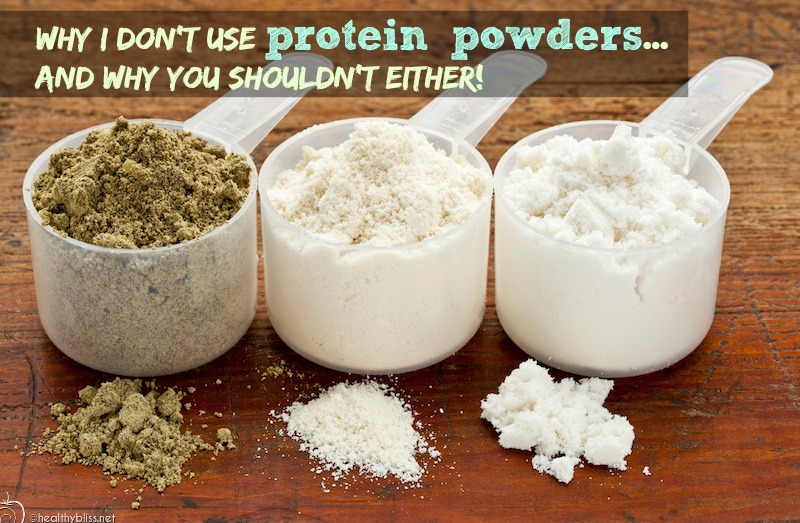
Find out why you should avoid the latest protein powder craze

More on Blenders and pH Health:

  • Win a FREE Green Smoothie Starter Kit Superfood Bundle!
  • Why I don’t add Almond Milk, Soy Milk or Coconut Water to Green Smoothies
  • Win a FREE Nutri NINJA Blender DUO + Green Smoothie Book Giveaway!
  • What is an Alkaline Diet? Know your pH Health
  • Win a FREE Omega Blender – $449 Value! Giveaway!

More on Green Smoothies:

  • Importance of Doing a Heavy Metal Detox
  • Why I don’t add Almond Milk, Soy Milk or Coconut Water to Green Smoothies
  • Simple Steps to Success: Get Re-Focused on your Health Goals
  • Top 10 Tips for the Best Healthy Sunscreen
  • Healing – Sharing – Flowering – Transformation – Change

https://healthybliss.net/bliss/wp-content/uploads/2014/11/proteinpowdersdd.jpg 523 800 Jennifer Betesh https://healthybliss.net/bliss/wp-content/uploads/2014/11/hb_logo_01.png Jennifer Betesh2014-11-23 12:24:342018-06-29 07:55:35Why I don’t use protein powders…and why you shouldn’t either!

Affirmation

Affirmation: I am at peace with all that has happened, is happening, and will happen.

My book: Green Smoothies for Dummies

Buy on Amazon and iTunes!

Shop Healthy!

Green Smoothies: Everything you need!

Your Career in Health!

The Ultimate Detox

Get inspired!

Topics for a Healthier YOU!

Food for Thought

"If you can't fly, then run. If you can't run, then walk. If you can't walk, then crawl. But whatever you do, keep moving."
- Dr. Martin Luther King Jr.

About @healthybliss

Jennifer Betesh has been working with clean food, juices, smoothies and detox for over two decades to help people heal. Today, she shares her expertise worldwide, offering lectures, workshops, training and one-on-one consultations at various health and detox retreat centers. She provides Iridology Readings / Health Coaching via Skype and Phone to clients. When she’s not working, you’ll find her hiking in the mountains, walking along the sea or globe-trotting to a new health destination. > > Read More

New on the Blog

  • What is an elimination diet?
  • Intermittent fasting – What’s the best way?
  • How do you know when it’s time to STOP fasting
  • When is the BEST time (and WORST time) to START a detox
  • How to Ask the Right Questions at a Farmers Market

Disclaimer

The information provided on this site is for informational purposes only. It is not intended as a substitute for advice from your physician or other health care professional or any information contained on or in any product label or packaging. Always consult with a healthcare professional before starting any diet, exercise or supplementation program, before taking any medication, or if you have or suspect you might have a health problem. Read full disclaimer here.

Archive

  • March 2019
  • February 2019
  • March 2018
  • January 2018
  • December 2017
  • November 2017
  • August 2017
  • July 2017
  • June 2017
  • May 2017
  • March 2017
  • November 2016
  • January 2016
  • April 2015
  • March 2015
  • February 2015
  • January 2015
  • December 2014
  • November 2014
  • October 2014
  • September 2014
  • July 2014
  • June 2014
  • May 2014
  • April 2014
  • December 2013
  • November 2013
  • October 2013
  • September 2013
  • July 2013
  • June 2013
  • May 2013
  • April 2013
  • February 2013
  • January 2013
  • December 2012
  • November 2012
  • October 2012
  • September 2012
  • July 2012
  • June 2012
  • March 2012
  • February 2012
  • January 2012
  • October 2011
  • September 2011
  • August 2011
  • July 2011
  • June 2011
  • April 2011
  • February 2011
  • January 2011
  • December 2010
  • August 2010
  • July 2010
  • March 2010
  • February 2010
  • January 2010
  • December 2009
  • November 2009
  • October 2009
  • September 2009
  • August 2009
  • July 2009
  • June 2009
  • May 2009
  • April 2009
  • March 2009
  • January 2009
  • December 2008
  • November 2008
  • September 2008
  • August 2008
  • July 2008
  • June 2008
  • April 2008
  • March 2008
  • February 2008
  • August 2007
  • April 2007
Copyright ©2009 - 2026 Jennifer Betesh All Content.
  • Link to Facebook
  • Link to Instagram
  • Link to Mail
  • Blog
  • Disclaimer
  • Media/Press
  • FAQs
  • Contact
  • Books
Scroll to top Scroll to top Scroll to top